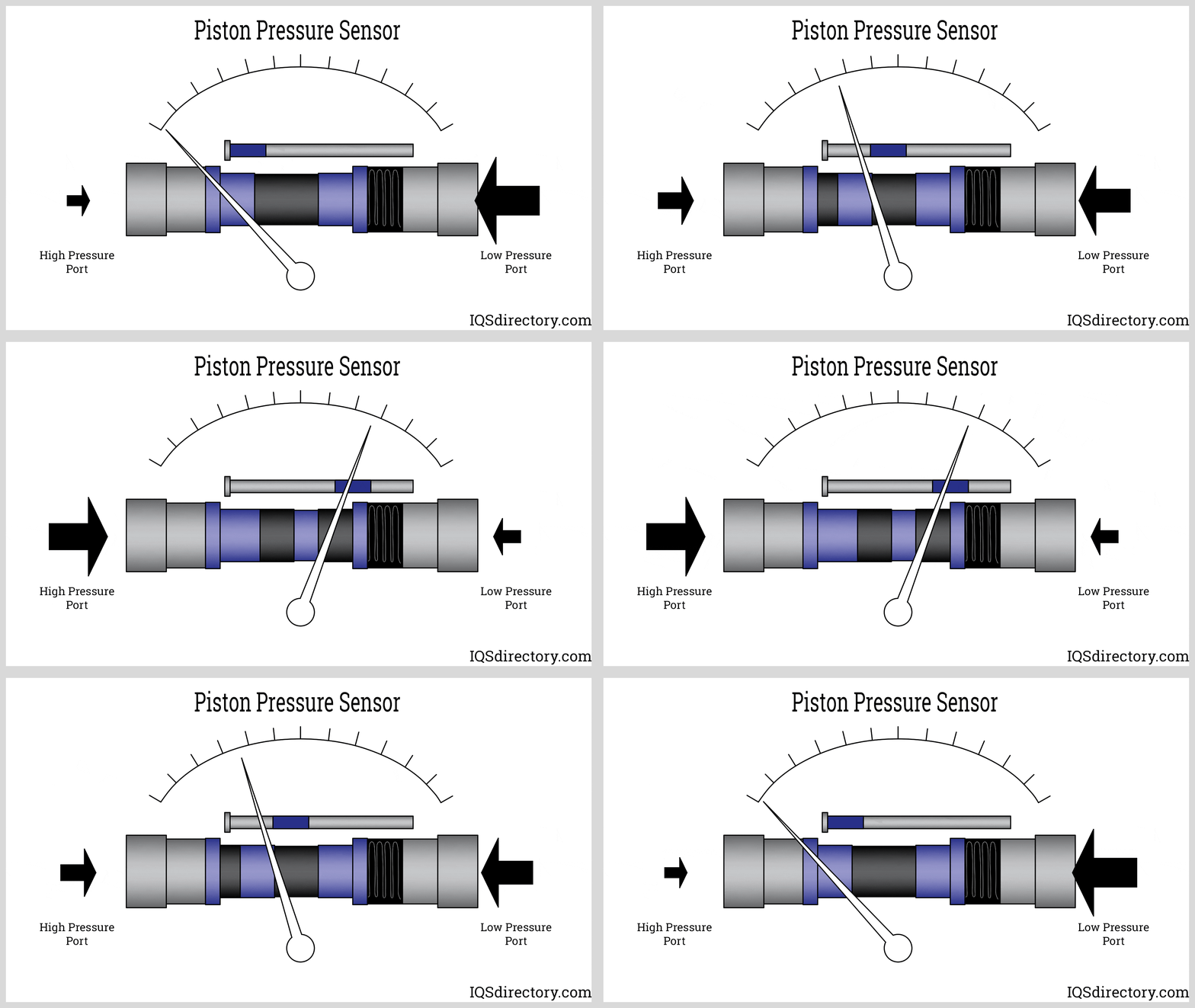
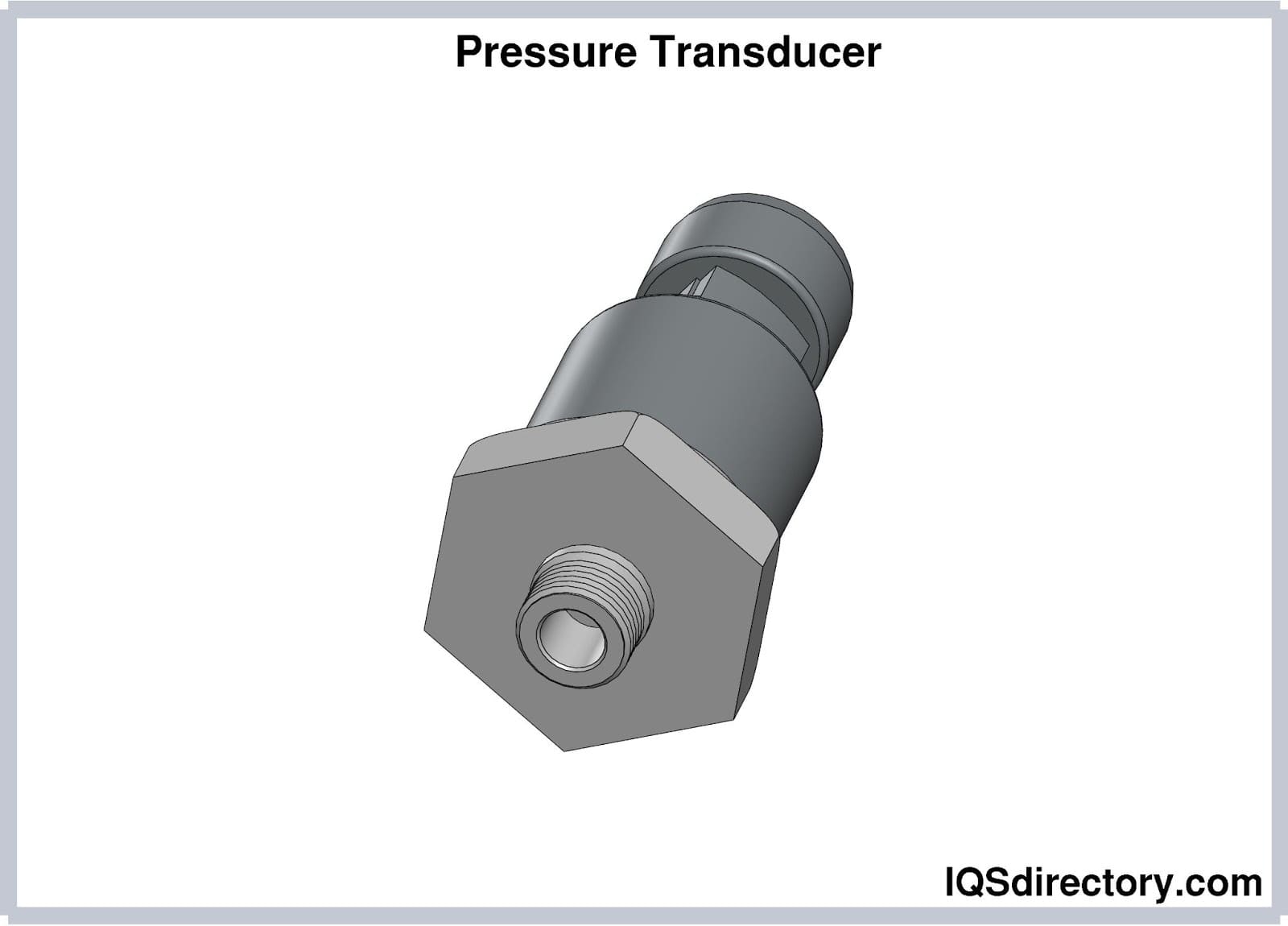
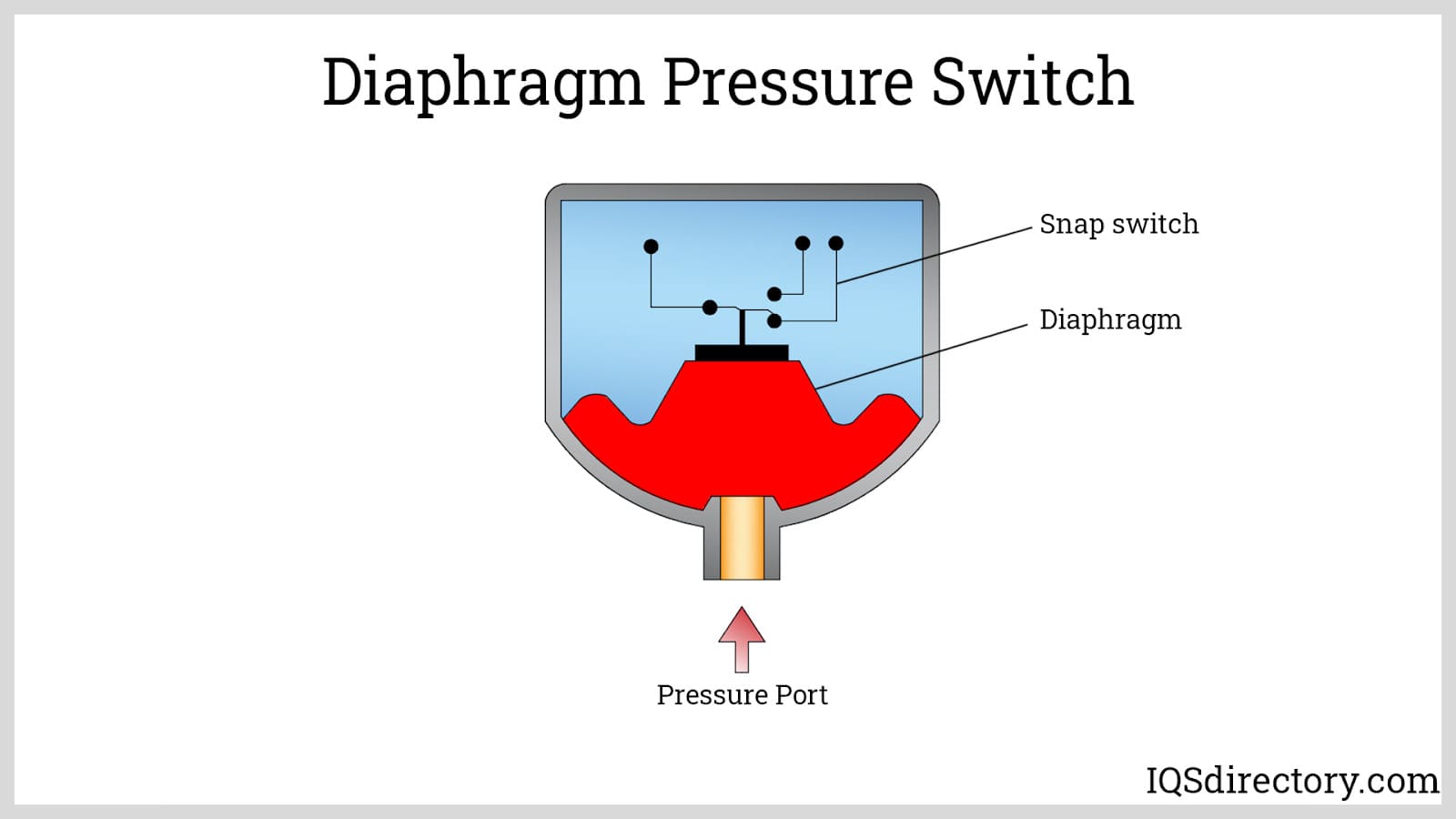
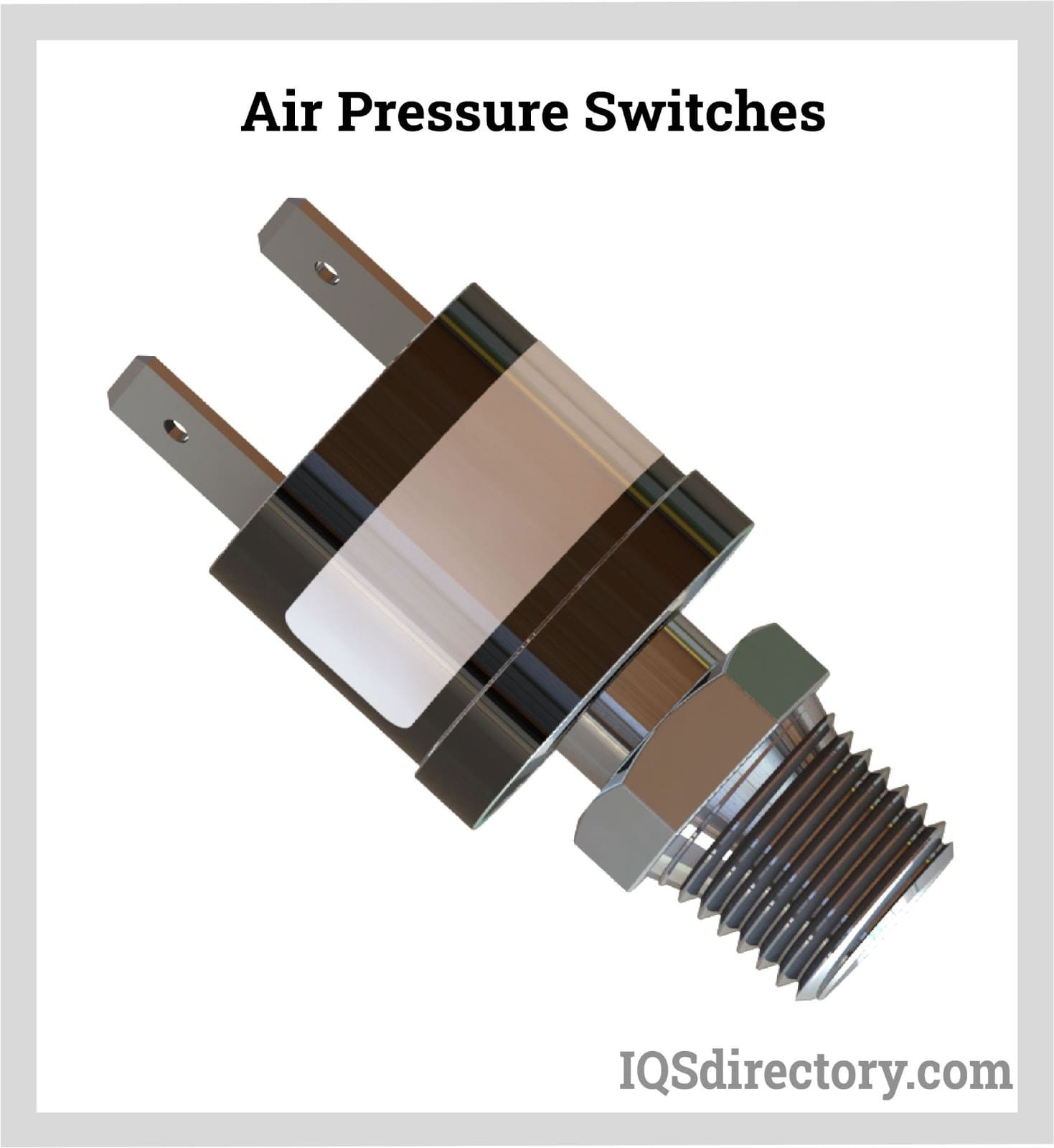
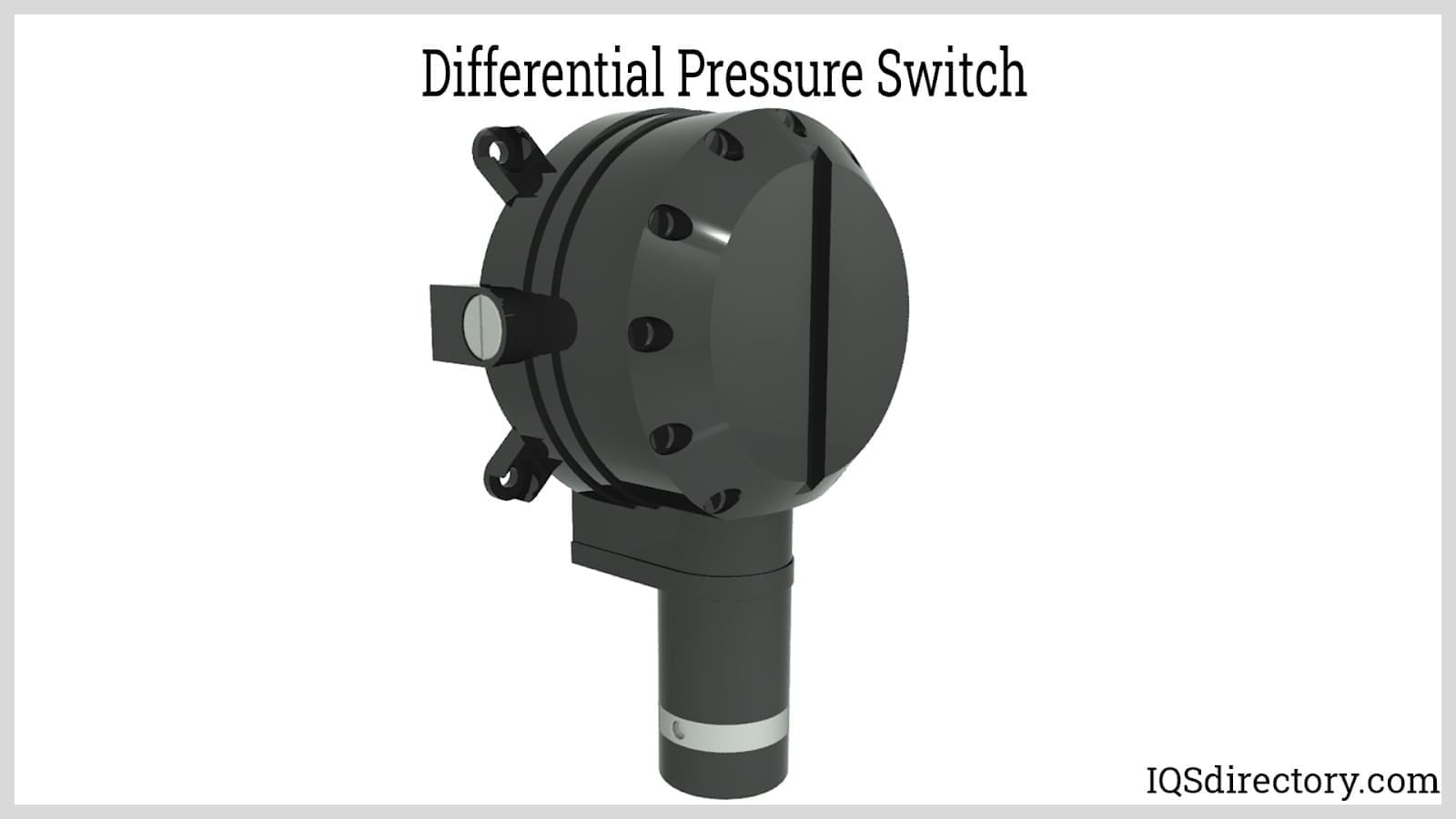
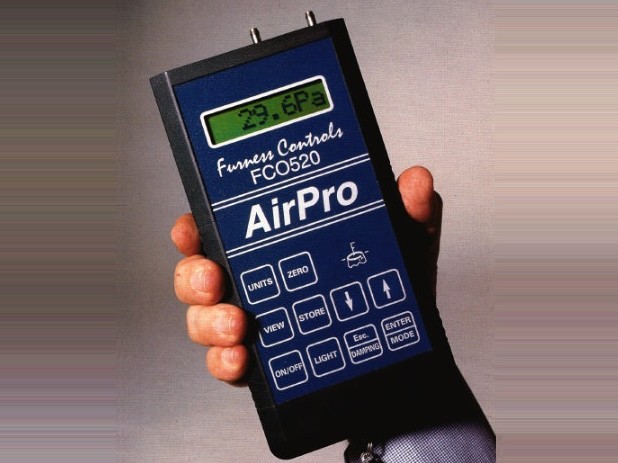
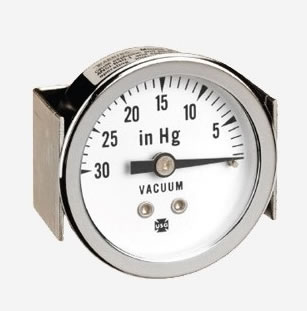
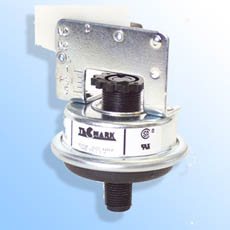
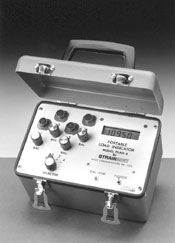
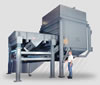
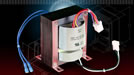
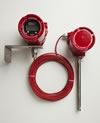
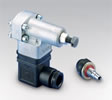
Differential pressure transducers determine the pressure difference between two points. The performance of a filter inside a system can be continuously monitored with a differential pressure transducer. An operator can see the state of the filter in real time by using a differential pressure transducer and the output signal from the pressure transducer. As a result, the system will only need to be shut down periodically for examination. Because it avoids potential compounded inaccuracies and the requirement to calculate the difference between two transducers, using a differential pressure transducer is advised over using two individual pressure transducers. Read More…
Honeywell offers a broad portfolio of pressure transducers for test and measurement in industrial, automotive/transportation, aerospace, and medical applications Honeywell’s pressure transducers are suited for both high and low temperatures. Products include strain gauge pressure transducers, differential pressure transducers, LVDTs and miniature pressure transducers. Customization is available ...
At Emerson Automation Solutions, we dedicate ourselves to advancing precision measurement and control technologies that empower industries to operate safely, efficiently, and sustainably. Our work in pressure transducers exemplifies this mission, as we engineer and manufacture high-performance sensors designed to provide accurate pressure readings under the most demanding industrial conditions.
We design and manufacture acceleration, pressure and weight sensing products. Setra makes fuel cell pressure transducers, industrial strain gauge pressure transducers, HVAC/R pressure transducers, ultra-high purity and vacuum pressure transducers plus other types. We've been in business since 1967.
Ashcroft® manufactures a full line of high-quality pressure transducers for reliable use in applications for high-volume OEM, general and heavy industrial and HVAC. Our line offers products with award-winning features. Our company realizes that as times change, so do the needs of industry. Products we manufacture have become the benchmark in our industry.

At Endress & Hauser, we take pride in being a global leader in process automation and instrumentation, dedicated to helping industries achieve precise measurement, control, and efficiency. Our expertise in pressure transducer technology allows us to deliver solutions that ensure reliable process monitoring and optimized system performance across a wide range of applications.

At ABB, we are driven by the pursuit of precision, innovation, and reliability in every solution we deliver. Our expertise spans across industrial automation, electrification, and advanced measurement technologies that empower industries to perform at their highest potential. As pioneers in process instrumentation, we design and manufacture high-performance pressure transducers that provide...




More Differential Pressure Transducer Manufacturers
A piezo-resistive pressure sensor—also known as a thin-film pressure sensor—serves as the core component in a pressure transducer. This essential device features a high-precision pressure sensing element and a device body integrated by an electrical circuit. The pressure sensor detects physical pressure changes and converts them into an electronic signal or value that can be used for calculations, control systems, and process monitoring. Unlike pressure transmitters, a basic pressure transducer transforms only a physical pressure measurement into an electrically readable value; it does not standardize, amplify, or compensate for temperature or environmental variations. This makes pressure transducers especially valuable for applications requiring real-time, accurate detection of pressure changes, including industrial automation, HVAC, medical equipment, and fluid dynamics systems.
Types of Differential Pressure Transducers
Differential pressure transducers are specialized devices engineered to measure the difference in pressure between two points, enabling precise monitoring and control across a wide range of industries. Selecting the right type of differential pressure sensor is critical for optimizing process performance, ensuring safety, and achieving regulatory compliance in sectors such as oil and gas, water treatment, pharmaceuticals, automotive, and more. Below, we explore the three main types of differential pressure transducers, their working principles, and their most common applications.
Wet-to-Wet Differential Pressure Transducers
A wet-to-wet differential pressure transducer is designed for applications where fluid—typically water or another compatible liquid—is present on both the high-pressure and low-pressure ports. These sensors utilize either two independent sensing elements or a single diaphragm with fluid exerting force on both sides. The difference in fluid pressure causes the diaphragm to deflect, which is then converted into a linearized electronic signal, often a voltage or 4-20mA current output. Wet-to-wet models are engineered for compatibility with a variety of liquids and are constructed using corrosion-resistant materials to ensure longevity in demanding environments.

Applications of Wet-to-Wet Transducers
Wet-to-wet differential pressure transducers are integral in HVAC systems for building management, where they monitor filter status, strainer basket conditions, chiller efficiency, and pump suction and discharge pressures. Their robust construction allows them to operate reliably in pressure tanks and a variety of industrial process applications, including water supply management, chemical processing, and hydronic heating systems. These transducers are also critical in monitoring the performance of heat exchangers, ensuring optimal energy efficiency and early detection of blockages or leaks. Engineers and facility managers frequently select wet-to-wet differential sensors for their ability to provide continuous, accurate feedback in environments with variable liquid pressures.
- Building automation and energy management systems
- Chilled water and condenser water loops
- Liquid-level monitoring in storage tanks
- Hydraulic system performance tracking
- Industrial filtration and separation processes
Wet-to-Dry Differential Pressure Transducers
A wet-to-dry differential pressure transducer features a single metal wet-diaphragm at the "wet" port, designed to interface with a liquid, while the "dry" port is engineered to interact only with clean, dry gases—typically air or nitrogen. The dry port exposes the sensor’s internal circuitry, so only non-corrosive, moisture-free gases should be applied to avoid damaging the sensitive components. The diaphragm moves in response to the pressure difference between the gas and liquid sides, generating an electronic signal proportional to the pressure differential. This configuration is ideal for applications requiring simultaneous measurement of a liquid and a gas within a closed system.

Applications of Wet-to-Dry Transducers
Wet-to-dry pressure transducers are commonly used in scenarios where it is necessary to monitor the interface between a pressurized liquid system and a gas system. Key applications include:
- Boiler and steam generator monitoring
- Medical gas and liquid delivery systems
- Water purification and desalination plants
- Automotive emission control and fuel delivery
- Laboratory instrumentation and testing apparatus
Their design prevents cross-contamination between fluids and gases, ensuring accurate and reliable pressure measurements in critical process control environments.
Dry-to-Dry Differential Pressure Transducers
A dry-to-dry differential pressure transducer is tailored for applications where both the high-pressure and low-pressure ports are exposed to air or other non-corrosive gases. Utilizing a single diaphragm that deflects in response to pressure differentials, dry-to-dry transducers produce a highly linear and stable electrical output—typically voltage or current. These sensors are recognized for their fast response times, high sensitivity, and suitability for low-pressure monitoring, making them ideal in environments where real-time detection of minor pressure changes is crucial.
Applications of Dry-to-Dry Transducers
Dry-to-dry differential pressure transducers are frequently utilized in applications with minimal risk of fluid exposure and where cleanliness is paramount. Notable use cases include:
- Cleanroom pressure control and monitoring
- Hospital isolation room management
- Filter status and leakage detection in ventilation systems
- Stairwell and elevator shaft pressurization
- Low-pressure Test & Measurement environments
- Fume hood and laboratory air flow regulation
These sensors are especially valuable in pharmaceutical manufacturing, semiconductor fabrication, and controlled environment agriculture, where maintaining precise atmospheric conditions is essential for safety and quality assurance.
How Does a Differential Pressure Transducer Work?
The working principle of a differential pressure transducer involves detecting the pressure difference between two points—commonly referred to as the upstream (high side) and downstream (low side) pressures—and converting this difference into a proportional electronic signal. Understanding this process is key for those evaluating transducers for process automation, system diagnostics, or regulatory compliance.
- Line or upstream pressure is directed toward the system filter. A pre-filter pipe routes this pressure to the high side of the differential pressure transducer.
- The filter removes impurities from the media (liquid or gas) as it passes through.
- Downstream pressure—post-filter—is continuously maintained in the system. A post-filter pipe connects this pressure to the low side of the transducer.
- As the filter removes contaminants over time, it becomes clogged, causing a drop in downstream pressure. The difference between upstream and downstream pressure grows, which the transducer detects and translates into a linear output signal (voltage or current) for monitoring or control purposes.

This real-time feedback enables operators and automated systems to detect filter blockages, system leaks, or abnormal process conditions, thereby reducing maintenance costs, increasing system uptime, and improving overall safety. The electrical output from the transducer can be integrated with data acquisition systems, programmable logic controllers (PLCs), or building automation systems (BAS) for comprehensive process control, data logging, and predictive maintenance.
Key Benefits of Using Differential Pressure Transducers
Choosing a differential pressure transducer for your system delivers numerous advantages that enhance operational efficiency, accuracy, and safety. These devices are engineered with advanced sensing technologies—such as piezo-resistive, capacitive, or strain gauge elements—to deliver stable and repeatable measurements in a wide array of operating conditions. Consider the following benefits as you research the best differential pressure sensor for your application:
- Cost-effective and robust: Modern transducers are manufactured using durable materials and proven sensor technologies, delivering long service life with minimal maintenance.
- High accuracy and output stability: They provide precise, repeatable readings, crucial for process control, regulatory compliance, and quality assurance.
- Compact and lightweight design: Their small footprint allows easy installation in space-constrained environments, including OEM equipment and retrofitted systems.
- Sensitivity and fast response: High sensitivity ensures early detection of pressure changes, supporting rapid system diagnostics and real-time adjustments.
- Versatile connectivity: Multiple electrical connection options, output types (analog or digital), and pressure port configurations make them adaptable to a wide range of systems and integration requirements.
- Long-term stability: Designed for years of reliable operation, even in harsh industrial or environmental conditions.
- Scalable solutions: Available in various pressure ranges, materials, and certifications to support both standard and specialized industrial needs.
Potential Limitations of Differential Pressure Transducers
While differential pressure transducers offer significant advantages, it is important to consider their limitations to ensure optimal performance and avoid operational issues. Being aware of these factors can help you select the most appropriate sensor technology and configuration for your process or system requirements.
- Accuracy drift: Sensor output may degrade over time, particularly in the presence of high temperature, humidity, or aggressive process media.
- Response to vibration and shock: Some designs may exhibit delayed or inconsistent response in environments with high mechanical stress.
- Temperature sensitivity: Performance may be compromised in extreme temperature ranges unless the sensor is specifically compensated or rated for such conditions.
- Susceptibility to external factors: Electromagnetic interference (EMI), installation errors, or mechanical stress can impact sensor accuracy and reliability.
- Maintenance considerations: Periodic calibration and system checks may be required to ensure continued accuracy and compliance with industry standards.
Common Use Cases and Industry Applications
Differential pressure transducers are deployed across a diverse range of industries and applications, each requiring specific performance characteristics and certifications. Understanding where and how these sensors are used can help you identify the best options for your organization’s needs.
- HVAC and Building Management: Monitoring air filters, room pressurization, and duct static pressure to ensure indoor air quality and system efficiency.
- Industrial Process Control: Regulating flow rates, detecting leaks, and ensuring proper filtration in chemical, petrochemical, and manufacturing plants.
- Water and Wastewater Treatment: Measuring pressure drops across membranes, filters, and pumps for process optimization and compliance.
- Medical Devices: Controlling fluid and gas flows in anesthesia machines, ventilators, and diagnostic equipment where precise pressure measurement is critical.
- Energy and Power: Monitoring fuel cells, steam boilers, and turbine systems for efficiency and safety.
- Automotive and Aerospace: Testing and monitoring fuel injection systems, air intake, and cabin pressurization.
- Environmental Monitoring: Ensuring controlled environments in cleanrooms, laboratories, and agricultural facilities.
As regulatory standards and performance expectations rise, modern transducers offer features such as digital communication protocols (Modbus, CAN, BACnet), explosion-proof enclosures, and advanced diagnostics for remote monitoring and maintenance.
How to Select the Right Differential Pressure Transducer for Your Application
The selection of a differential pressure transducer is a critical decision that impacts system performance, safety, and cost of ownership. Here are key factors and technical criteria to consider when evaluating and purchasing a differential pressure sensor or transducer:
- Pressure range and accuracy: Identify the minimum and maximum differential pressures expected in your application and select a sensor with an appropriate range and accuracy class.
- Media compatibility: Ensure the materials in contact with the process media (liquid or gas) are chemically compatible to prevent corrosion and sensor failure.
- Electrical output type: Choose between analog (voltage or current) and digital outputs depending on your control system or data acquisition requirements.
- Environmental conditions: Consider temperature range, humidity, vibration, and ingress protection (IP) rating for reliable operation in your specific environment.
- Physical form factor: Evaluate available mounting options, size constraints, and connection types to facilitate easy installation and maintenance.
- Certifications and compliance: Verify industry certifications (e.g., CE, UL, ATEX) to meet safety, performance, and regulatory requirements.
- Calibration and maintenance: Assess how frequently the transducer requires calibration and whether the manufacturer provides support or documentation for long-term maintenance.
By carefully comparing specifications and consulting with reputable differential pressure transducer manufacturers, you can ensure that your chosen sensor delivers optimal performance and value for your application.
Choosing the Proper Differential Pressure Transducer Manufacturer
To make sure you have the most productive outcome when purchasing differential pressure transducers from a differential pressure transducer manufacturer, it is important to compare at least 4 companies using our list of differential pressure transducer manufacturers. Each differential pressure transducer manufacturer has a business profile page that highlights their areas of experience and capabilities and a contact form to directly communicate with the manufacturer for more information or request a quote. Review each differential pressure transducer company website using our patented website previewer to get an idea of what each company specializes in, and then use our simple RFQ form to contact multiple differential pressure transducer companies with the same quote.
Frequently Asked Questions About Differential Pressure Transducers
What are the differences between a differential pressure transducer and a pressure transmitter?
While both devices measure pressure, a pressure transducer converts pressure into an electrical signal, whereas a pressure transmitter not only converts but also amplifies and conditions the signal for long-distance transmission. Transmitters often have built-in signal processing and compensation for temperature and other variables, making them suitable for remote monitoring over industrial networks.
How do I know if I need a wet-to-wet, wet-to-dry, or dry-to-dry sensor?
The choice depends on your application’s process media and pressure conditions. Wet-to-wet is best for liquid-to-liquid measurement, wet-to-dry for measuring between a liquid and gas interface, and dry-to-dry for clean gas or air systems. Consult your system’s requirements and safety standards before making a selection.
Can differential pressure transducers be used in hazardous locations?
Yes, many manufacturers offer explosion-proof or intrinsically safe differential pressure transducers designed for use in hazardous or classified environments, such as chemical plants, oil refineries, and mines. Always verify certifications and ratings before installation.
What maintenance is required for long-term transducer performance?
Routine maintenance includes periodic calibration, inspection of electrical connections, verification of output signals, and, where necessary, cleaning of ports and diaphragms. Following the manufacturer’s guidelines and industry best practices will ensure accuracy and reliability over the sensor’s lifespan.
How can I ensure accuracy and reliability in my measurement system?
Select a transducer with the appropriate pressure range, output type, and environmental ratings. Regular calibration and adherence to recommended installation practices are essential for maintaining measurement integrity.
Conclusion: Maximizing Performance with the Right Differential Pressure Transducer
Differential pressure transducers are indispensable tools for modern process control, industrial automation, and building management. By understanding the different types—wet-to-wet, wet-to-dry, and dry-to-dry—along with their unique advantages and limitations, you can make informed decisions that maximize system efficiency, safety, and compliance. Always consider key selection criteria, real-world application requirements, and maintenance needs when choosing a pressure transducer or sensor. Partnering with a reputable, experienced manufacturer ensures you have access to high-quality products, technical support, and the customization options needed to meet your specific demands in today’s dynamic industrial landscape.